“growth cycle” search results (300)

Sidamo production area introduced by Coffee Tree Plantation
Variety classification Arabica bean coffee tree can be divided into two main varieties: Arabica species (Coffea Arabica) and Robusta species (Coffea Robusta/Coffea Canephora). There are also some minor species, such as the Liberian species (Coffea Liberica) and the Alabasta species (Coffea Arabusta), but they are rare on the market. Rob.
2016-06-16 Coffee planting Manor introduction West Dharma producing area Variety Classification Rabbi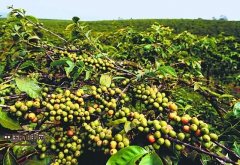
Common sense of Coffee planting requirements and conditions of Coffee trees
The origin of the coffee tree is Ethiopia in Africa. In botany, coffee trees belong to the evergreen trees of the subgenus Rubiaceae, and coffee beans, commonly known as coffee beans, are actually the seeds of the fruit of coffee trees. They are called coffee beans only because they are shaped like beans. Climate is the decisive factor for coffee cultivation. Coffee trees are only suitable for growing in the tropics or subtropics, so latitude 25 degrees south and north.
2015-01-31 Coffee common sense planting summation conditions coffee origin Africa Ethiopia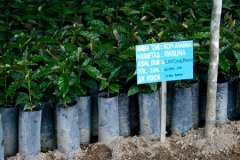
Rasuna Varietal La Souna Manning Coffee
La Suna Rasuna is a new Mantenin coffee bean variety grown in the Takengon Kengang region of Sumatra, Indonesia. Wet-processed to reduce acidity, Rasuna coffee beans have full Sumatran aromas, rich chocolate and mellow and smooth flavors.
2014-07-03 Mantening coffee Indonesian boutique coffee beans La Suna coffee beans
Common sense of coffee tree
The origin of the coffee tree is Ethiopia in Africa. In botany, coffee trees belong to the evergreen trees of the subgenus Rubiaceae, and coffee beans, commonly known as coffee beans, are actually the seeds of the fruit of coffee trees. They are called coffee beans only because they are shaped like beans. Climate is the decisive factor for coffee cultivation. Coffee trees are only suitable for growing in the tropics or subtropics, so latitude 25 degrees south and north.
2014-08-08 Coffee knowledge coffee tree common sense coffee encyclopedia
World boutique coffee farm beans; Harald mocha (part 1) in Ethiopia has a delicate and rich taste
[product name]: Ethiopia Harald Mocha (Ethiopia Harar Mokha) [quality rating]: DP Grade 4 [baking]: recommended moderate baking (Medium Roast or City Roast) [grade]: excellent [granule]: ★ full [acidity]: ★★★★ slightly sour, dark chocolate aftertaste [balance]: ★★★★ is very stable
2015-12-22 World boutique coffee manor Ethiopia Harald Rahl mocha taste
The geographical distribution of coffee trees how would you like your latte coffee foam to be beaten?
Coffee grows mostly in countries with alpine terrain between the Tropic of Cancer and the Tropic of Cancer. It is native to tropical Africa and is introduced and cultivated in South and Southwest China. [2] the cultivation technology editor requires that the origin of the coffee tree [4] is in Ethiopia in Africa. In botany, the coffee tree belongs to the evergreen tree of the coffee subgenus of Rubiaceae, and the so-called coffee bean is actually the fruit of the coffee tree.
2016-06-06 Coffee geographical distribution latte milk foam beaten what kind coffee long promised land
What kind of environment and climate do you need to grow coffee trees?
In Cuscacbapa, El Salvador, packaged coffee beans are about to be exported to El Salvador. Coffee from El Salvador is a specialty of Central America, where it is light, aromatic, pure and slightly sour. Like Guatemala and Costa Rica, coffee in El Salvador is graded according to altitude, and the higher the altitude, the better the coffee. The best brand is Pipil
2016-06-12 Planting coffee need what environment climate El Salvador region Koos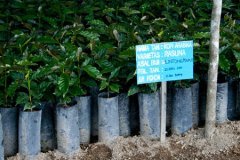
La Souna Manning Coffee Indonesia
Rasuna Varietal La Souna Origin: Indonesia height: it is best to grow above 1200 meters above sea level Type: iron pickup Typica / Katim Catimor hybrid characteristics: medium tall trees, slender leaves and red cherry producing areas: Sidikalang, Aceh, Simalungun Rasuna La Suna Manning Coffee La Suna Rasuna this is a new
2015-06-01 Rusu Mante Coffee Indonesia Rasuna Varietal
Flavor and taste characteristics of Ethiopian coffee manor introduce Ethiopian coffee varieties
Ethiopian coffee beans grow in close to the natural environment, after years of planting under the same growth conditions, Ethiopian coffee beans have gradually adapted to the environment here. More than 60% of coffee beans are grown in forests or semi-forests. Large-scale coffee-growing villages account for about 35% of the country's total coffee production. Many of these are used.
2016-08-06 Ethiopia coffee manor producing area flavor taste characteristics introduction variety
Introduction to the Fine Coffee Bean Flavor and Taste Manor in Ethiopia
Ethiopian coffee beans grow in close to the natural environment, after years of planting under the same growth conditions, Ethiopian coffee beans have gradually adapted to the environment here. More than 60% of coffee beans are grown in forests or semi-forests. Large-scale coffee-growing villages account for about 35% of the country's total coffee production. Many of these are used.
2016-07-14 Ethiopia boutique coffee beans flavor taste manor producing area introduction
What conditions are needed for the planting of coffee trees? it is not very important to the environment.
The origin of the coffee tree is Ethiopia in Africa. In botany, coffee trees belong to the evergreen trees of the subgenus Rubiaceae, and coffee beans, commonly known as coffee beans, are the seeds of the fruit of coffee trees, just because they are shaped like beans, so they are called coffee beans. Climate is the decisive factor for coffee cultivation. Coffee trees are only suitable for growing in the tropics or subtropics, so latitude 25 is south and north.
2016-05-31 Coffee planting need what conditions environment requirements small coffee origin
Development status of Mocha Coffee in Yemen
(1) the total output has continued to decline in recent years since 2001, and Yemeni coffee production has declined year by year due to various reasons. The annual output has dropped from 11906 tons in 2001 to 11608 tons in 2003, 11590 tons in 2004, to about 11000 tons in 2008. In recent years, despite the rising prices in the international coffee market, the coffee industry in Yemen has not boomed with it, but sharply.
2016-06-07 Yemen Mocha coffee development status in recent years total output sustained declining 20
Introduction of cultivation and species of Coffee Tree
Cultivation techniques require that the origin of coffee trees [4] is in Ethiopia in Africa. In botany, coffee trees belong to the evergreen trees of the subgenus Rubiaceae, and coffee beans, commonly known as coffee beans, are actually the seeds of the fruit of coffee trees. They are called coffee beans only because they are shaped like beans. Climate is the decisive factor for coffee cultivation, and coffee trees are only suitable for growing in the tropics or subheat.
2016-06-13 Coffee cultivation introduction species cultivation techniques requirements Origin Africa
Brands should not be "from one to the whole"
Marketing has nothing to do with good ideas, marketing is about consistency and credibility.
2014-07-14 Coffee brand coffee shop management coffee entrepreneurship
Rasuna Varietal La Souna Manning Coffee
Rasuna Varietal La Souna Origin: Indonesia height: it is best to grow above 1200 meters above sea level Type: iron pickup Typica / Katim Catimor hybrid characteristics: medium tall trees, slender leaves and red cherry producing areas: Sidikalang, Aceh, Simalungun Rasuna La Suna Manning Coffee La Suna Rasuna this is a new
2015-09-12 Rasuna Varietal Russo Mante Coffee Rasun
What kind of environmental conditions do you need to grow coffee trees? how much is the Alishan mocha coffee?
The origin of the coffee tree is Ethiopia in Africa. In botany, coffee trees belong to the evergreen trees of the subgenus Rubiaceae, and coffee beans, commonly known as coffee beans, are the seeds of the fruit of coffee trees, just because they are shaped like beans, so they are called coffee beans. Climate is the decisive factor for coffee cultivation. Coffee trees are only suitable for growing in the tropics or subtropics, so latitude 25 is south and north.
2016-06-07 Planting coffee need what environment conditions Alishan Mazu less money
Planting requirements and conditions of Coffee trees
The origin of the coffee tree is Ethiopia in Africa. In botany, coffee trees belong to the evergreen trees of the subgenus Rubiaceae, and coffee beans, commonly known as coffee beans, are actually the seeds of the fruit of coffee trees. They are called coffee beans only because they are shaped like beans. Climate is the decisive factor for coffee cultivation. Coffee trees are only suitable for growing in the tropics or subtropics, so latitude 25 degrees south and north.
2014-08-01 Coffee planting peace conditions coffee origin Africa Ethiopia plants
Introduction to the common sense of coffee tree
The origin of the coffee tree is Ethiopia in Africa. In botany, coffee trees belong to the evergreen trees of the subgenus Rubiaceae, and coffee beans, commonly known as coffee beans, are actually the seeds of the fruit of coffee trees. They are called coffee beans only because they are shaped like beans. Climate is the decisive factor for coffee cultivation. Coffee trees are only suitable for growing in the tropics or subtropics, so latitude 25 degrees south and north.
2014-11-26 Coffee knowledge coffee tree knowledge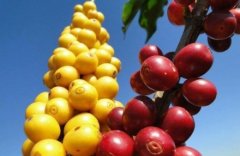
Coffee tree common sense Coffee tree origin in Ethiopia
The coffee tree is native to Ethiopia in Africa. Coffee tree in botany, belongs to the Rubiaceae coffee subgenus evergreen tree, and generally known as coffee beans, in fact, coffee tree fruit seeds, only because of the shape like beans, so called coffee beans. Climate is the decisive factor for coffee cultivation. Coffee trees are only suitable for growing in the tropics or subtropics, so latitude 25 degrees north and south.
2015-01-19 coffee common sense origin Ethiopia Africa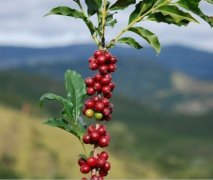
Fine Coffee study the forming Environment of Coffee trees
In botany, coffee trees belong to the evergreen trees of the subgenus Rubiaceae, and coffee beans, commonly known as coffee beans, are actually the seeds of the fruit of coffee trees, just because they are shaped like beans. Climate is the decisive factor for coffee cultivation. Coffee trees are only suitable for growing in the tropics or subtropics, so the zone between latitude 25 degrees south and north is generally called coffee belt or coffee area.
2015-01-07 Boutique Coffee Generation Environment Botany belonging to Grass Family subgenus Evergreen